Outside of these weekly posts on The Tilt, I’ve been writing quite a bit about other things. These are things I don’t normally write about.
This never happened years ago because everything I wrote needed to be published. I would create and share and share again, always working to build an audience. Hopefully with good intentions, yes, but ultimately I was trying to build a business.
I’m blessed now that I have the time to write about other things. I’m not on the clock. I don’t feel like I have to perform all the time. Some of you may understand this, but it can be challenging as a content creator or content marketer because everything becomes content. Everything needs to be documented. As much as possible needs to be shared. After a while, it’s easy to lose who you are and how you communicate yourself to the world.
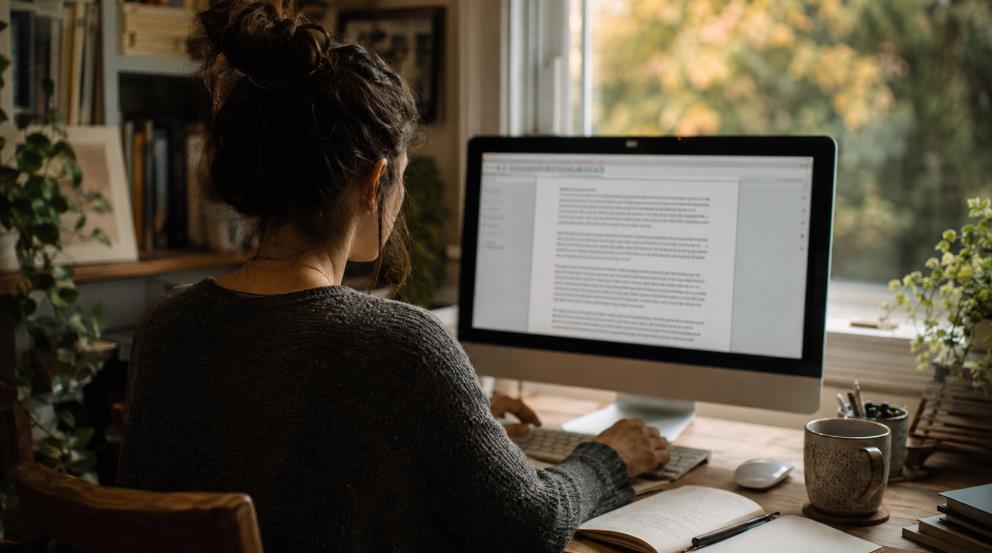
So here I am, writing about my thoughts, my ideas, my wants, my desires. Most of it has no destination. I don’t know if anyone will ever read it. It’s a new practice for me, and I’m finding I really like it.
My friend texted me earlier this week and asked, “How is your writing going?”
“I’m writing. Mostly for therapy. Not sure if anything will be usable,” I said.
“Usable for you at minimum makes it worth it,” he responded.
That response really made an impact on me. I’ve spent most of my career thinking about whether something I created was useful, but almost always useful to someone else. I’m not sure I ever considered that something could be valuable simply because it was useful to me.
Creating for Yourself
I’ve become a fan of Rick Rubin over the past few years. In many of his interviews and videos, he talks about the artist creating for themselves first. The idea is that when you do that, you remove all the outside pressures. What will people think? Is this good? Will people like it? Will it sell? All that’s gone.
Rick would say that we need to satisfy ourselves first. By doing that, we may actually create the best possible work for everyone else. Basically, make the thing you like and forget about the rest.
So, for the first time in my life, I think I’m writing for me. And with this other writing, the audience comes last.
And yes, I understand the irony of that statement. I’ve spent almost all of my professional career telling people to think about the audience. Understand them. Know their pain points. Figure out what keeps them up at night. Create something valuable for that particular group. I still believe all of that.
But I’m beginning to wonder whether we, as creators and artists, also need an outlet where the audience doesn’t get a say. Maybe we need some part of our creative lives where there is no strategy, no analytics, no publishing schedule and no expectation that the thing we make ever has to become anything.
And maybe creating in private actually makes the public creation better.
When Everything Has a Job
When everything you create has a job, something strange starts to happen. Before you’ve even finished the thought, you’re judging it.
Will people click on this? Does this fit what I’m known for? Is this a good newsletter topic? Can I turn this into a LinkedIn post? Will anyone care? Is there a business angle here?
Those aren’t bad questions. If you are trying to build an audience or a business, they are necessary questions. I’ve asked those questions thousands of times and will continue to ask them.
The problem comes when those questions are always there.
When you write something nobody else needs to see, you get to follow the strange idea. You can write the paragraph that doesn’t fit. You can contradict yourself. You can go down a rabbit hole for three hours and discover there was absolutely nothing at the bottom of it.
And that’s okay.
You don’t have to defend the idea. You don’t have to explain why somebody else should care. You just get to figure out what you think.
I’m starting to believe private creation can become a laboratory for public creation. It gives you a place to experiment without consequence. You can fail in private. You can change your mind in private. You can discover something about yourself before deciding whether that discovery needs to become content.
And occasionally, something you never intended to publish might become the best thing you’ve ever created.
But This Isn’t Just About Writing
The more I thought about my friend’s comment, the more I realized this idea has almost nothing to do with writing.
We live in a world where almost everything can become a performance. We run and record the miles. We travel and post the pictures. We read a book and add it to the list. We go to dinner and take a picture of the food. We do something nice for someone and tell people about it. We have an experience and, before it is even over, part of our brain is figuring out how to share it.
Again, I’m not saying any of this is bad. Sharing our lives connects us to other people. Creating in public can build careers, businesses and relationships.
But what happens when everything needs an audience? And, after a while, what if we don’t know whether we enjoy something because the reaction from other people has become part of the experience?
I think that’s why my friend’s comment hit me so hard. “Usable for you at minimum makes it worth it.”
Maybe we need more things in our lives that are only usable to us.
The No-Audience Experiment
Here’s something I’m going to try, and maybe you should try it too.
Choose one thing this week that you normally would make visible and deliberately keep it invisible. Write something and don’t publish it. Take a walk and don’t track it. Have a great dinner and don’t photograph it. Help somebody and don’t tell anyone. Make something you have absolutely no intention of selling.
Then pay attention to what happens.
Does removing the audience change the experience? Do you feel freer? Does the thing become more enjoyable? Do you make different choices because nobody else gets a vote?
Most importantly, ask yourself this question: Would I still do this if nobody knew?
I think the answers might tell us quite a bit about what we actually value. They might help us separate the things we truly love from the things we’ve simply learned to perform.
For most of my career, I’ve tried to create things that are useful to other people. I’m proud of that, and I hope to keep doing it for a long time.
But I’m beginning to believe not everything we create has to become something. Not everything needs to be published, measured, shared or turned into an opportunity. Some things can exist simply because making them did something to us.
My friend was right. If it’s usable for me, that’s enough.
P.S.: A reminder that I’m giving away my book, Burn the Playbook, for free. Please share it with a friend. I’m finding more and more parents are reading this and then sharing it with their kids.
About the author
Joe Pulizzi is founder of multiple startups including The Tilt and is the bestselling author of ten books including Content Inc. and Epic Content Marketing, which was named a “Must-Read Business Book” by Fortune Magazine. His latest book is Burn the Playbook: Are You Made for More? Build a Life on Your Terms.